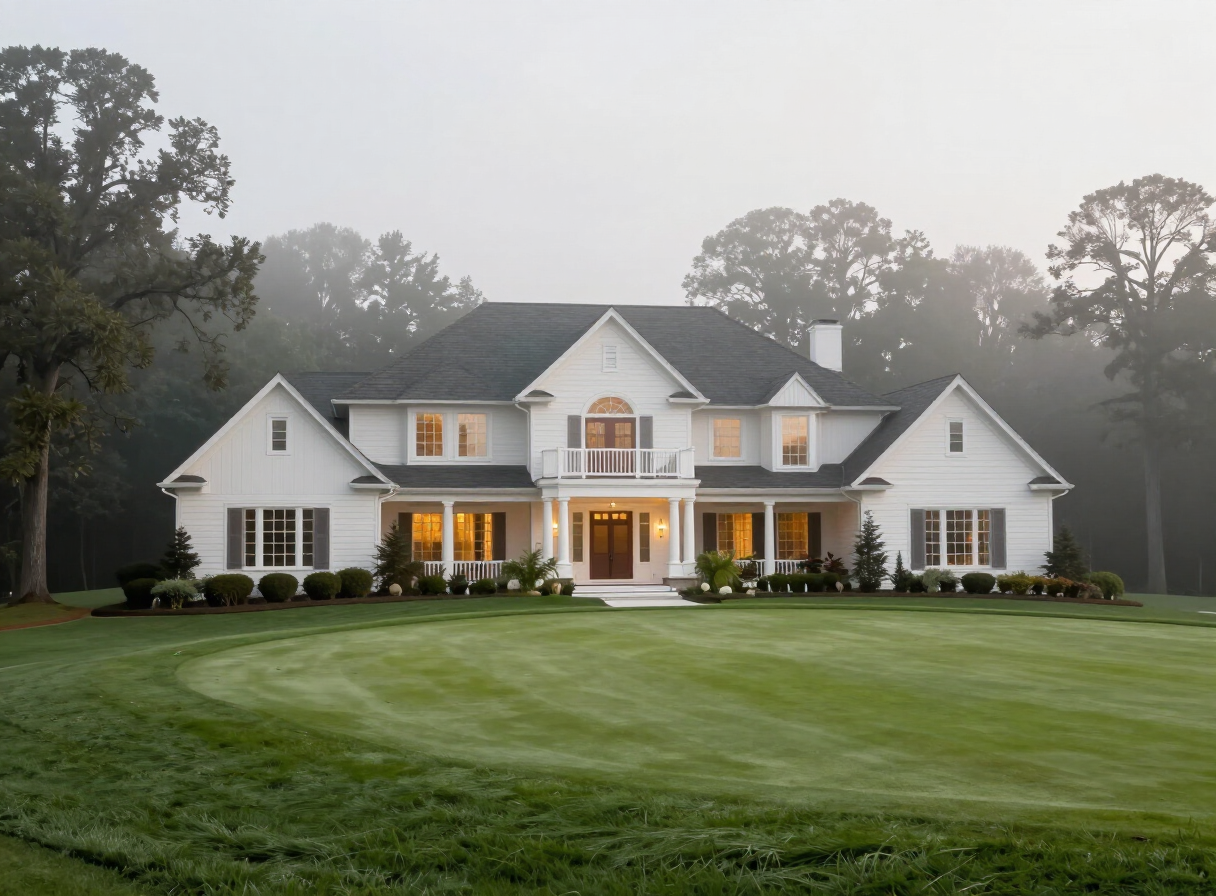
Moving From Florida to Charlotte
From Flat Heat and Hurricane Season to Four Seasons, Tree Canopy, and Estate Living
Florida buyers relocating to Charlotte come for a variety of reasons: a desire for four real seasons, relief from sustained summer heat and hurricane risk, a serious corporate culture, and estate-character housing on larger lots. Charlotte is a popular destination for affluent Floridians — particularly those from South Florida and the Orlando area — seeking a change of lifestyle without leaving the Southeast.
This guide covers how the housing and lot sizes compare, the climate and seasonal differences, the lifestyle and business environment, which Charlotte neighborhoods map onto Florida sensibilities, and the practical considerations of the move. We avoid quoting specific cost-of-living figures; the structural comparisons are consistent and well-documented.
Housing and Lot Sizes
Florida's luxury market — from Miami and Coral Gables to Naples, Jupiter, and the Orlando-area lake communities — is defined by a range of products from waterfront estates to gated golf communities. Charlotte offers a different housing character: tree-canopied in-town neighborhoods, estate homes on wooded lots, and a strong new-construction market.
The lot-size comparison depends on the Florida point of origin. Buyers coming from gated golf communities in Florida will find direct analogues in Charlotte's Quail Hollow and the south Charlotte golf-oriented neighborhoods. Buyers coming from waterfront Florida properties should understand that Charlotte's waterfront is concentrated at Lake Norman, with a different character — freshwater lake rather than coastal or intercoastal.
For buyers seeking estate living on large lots, Charlotte's Foxcroft, Providence Plantation, and the Union County communities of Weddington and Marvin offer acreage that is comparable to or larger than what is available in Florida's premier inland communities.
Climate: Four Real Seasons
The climate change is the defining feature for most Florida relocators. Florida's sustained heat — running much of the year in the southern part of the state — is replaced by four distinct seasons. Charlotte summers are warm and humid, comparable to a Florida summer but shorter, running from late May through September rather than April through October.
The reward is a genuine fall and spring. Charlotte's tree canopy — a defining feature of the city's best neighborhoods — turns dramatically in October and November, and spring brings sustained bloom. Winters are mild: snow is infrequent and light and typically melts within days. For Floridians who have not experienced a real fall, this is often the most appreciated change.
The other consideration is hurricane risk. Charlotte is far enough inland to be largely outside the coastal hurricane zone. Tropical systems can bring rain and wind, but the sustained hurricane risk that defines Florida coastal living is materially reduced.
Lifestyle and Pace
Charlotte offers a calmer, more spacious daily life than most Florida markets. The corporate culture is serious — Charlotte is the second-largest banking center in the United States — and the city has a professional density that surprises many Floridians. The pace is unhurried but ambitious.
The cultural and dining scene is substantial and growing, though it does not match the density of options that Miami or the broader South Florida market provides. For Floridians seeking a change from the resort-and-retirement character of much of Florida luxury living, Charlotte offers a more conventional major-city lifestyle with a serious business culture and a family-oriented residential character.
Neighborhoods for Florida Buyers
Florida buyers coming from gated golf communities tend to feel at home in Quail Hollow and the south Charlotte golf-oriented neighborhoods. Buyers seeking the tree-canopied estate character that is rare in Florida gravitate to Myers Park, Eastover, and Foxcroft — established neighborhoods with mature trees and stately architecture.
For buyers prioritizing large lots and top schools, Weddington and Marvin in Union County offer estate living on acreage. And for buyers who want to retain a waterfront lifestyle, Lake Norman — with Cornelius, Davidson, and Mooresville — offers freshwater lakefront estates with private docks, a different but genuine waterfront experience.
Lake Norman: A Different Waterfront
Florida buyers often arrive assuming they will lose waterfront living. Lake Norman is the alternative. Thirty minutes north of Uptown Charlotte, it is North Carolina's largest man-made lake, with over 520 miles of shoreline, waterfront estates, and private docks.
The character is different from Florida waterfront — it is a freshwater residential and recreational lake rather than coastal or intercoastal — but the daily access to water, the private dock, and the evening on the boat are real and sustained. For Floridians who value waterfront living but want the four-season climate and inland security of Charlotte, Lake Norman is a natural fit.
Business Environment and Airport Access
Charlotte is the second-largest banking center in the United States, home to Bank of America's headquarters and major operations for Truist, Wells Fargo, and a deep ecosystem of asset managers, fintech firms, and professional services. For Florida professionals seeking a serious corporate culture, Charlotte is a credible major-market destination.
Charlotte Douglas International Airport is a major American Airlines hub with direct flights to nearly every major domestic market — including frequent direct service to Florida cities — and growing international service. It is roughly 20 minutes from south Charlotte and is a far easier airport experience than the major Florida hubs, with the bonus of easy direct flights back to Florida.
Moving From Florida — Common Questions
For many affluent Floridians, yes. Charlotte offers four real seasons, a serious corporate culture, estate-character housing, reduced hurricane risk, and a major hub airport with frequent direct flights to Florida. The trade-off is the loss of coastal waterfront and the sustained Florida warmth.
Charlotte has four distinct seasons versus Florida's sustained warmth. Summers are warm and humid but shorter (late May through September). The reward is a genuine fall with dramatic foliage, a real spring, and mild winters with infrequent light snow. Hurricane risk is materially reduced inland.
In a different form. Lake Norman is a freshwater residential and recreational lake rather than coastal or intercoastal, but it offers genuine waterfront estates, private docks, and daily access to water. For Floridians who value waterfront but want four seasons and inland security, it is a natural fit.
Quail Hollow and the south Charlotte golf-oriented neighborhoods are the closest analogues. Buyers seeking the tree-canopied estate character rare in Florida gravitate to Myers Park, Eastover, and Foxcroft.
Weddington and Marvin in Union County offer estate homes on multi-acre lots with top-rated schools. Foxcroft and Providence Plantation in south Charlotte offer custom estates on generous wooded lots.
Charlotte Douglas International is a major American Airlines hub with frequent direct flights to Florida cities and nearly every other major domestic market. It is roughly 20 minutes from south Charlotte and far easier to navigate than the major Florida hubs.
Charlotte is the second-largest banking center in the United States, with a serious corporate and financial culture. For Florida professionals seeking a major-market business environment, Charlotte is a credible destination.
Charlotte is far enough inland to be largely outside the coastal hurricane zone. Tropical systems can bring rain and wind, but the sustained hurricane risk that defines Florida coastal living is materially reduced.
Related Charlotte Neighborhoods & Guides
Planning a Move From Florida?
Our luxury relocation specialists work with buyers moving to Charlotte from across the country. Request a private consultation to discuss neighborhoods, timing, and current opportunities.